Builder’s Risk Insurance in Ontario: The Complete Guide
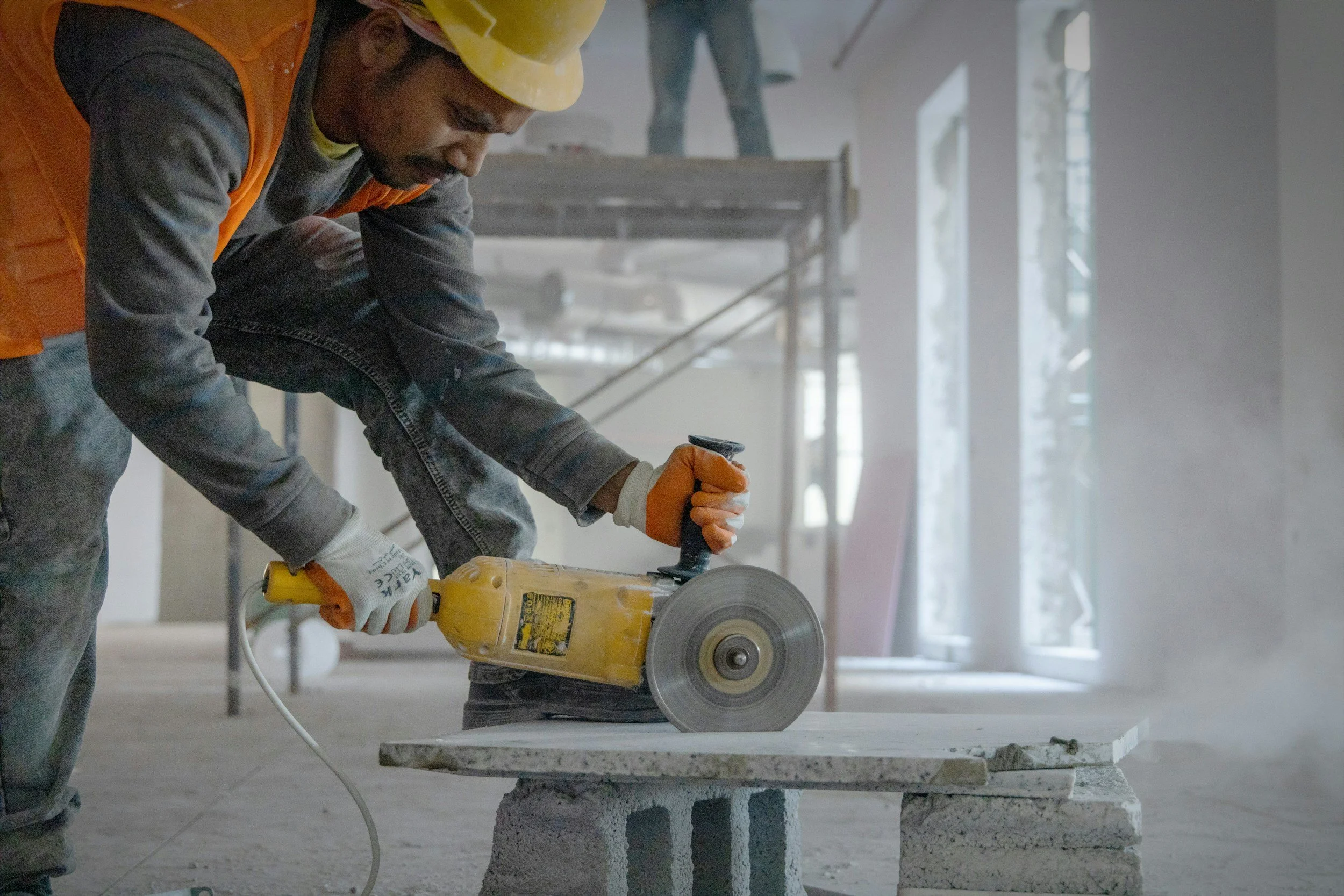
Builder’s risk insurance (also known as course of construction insurance) is essential protection for anyone involved in a building or renovation project in Ontario.
Whether you’re a homeowner, contractor, or developer, this guide explains what builder’s risk insurance covers, when you need it, how much it costs, and how it differs from other types of insurance.
What Is Builder’s Risk Insurance?
Builder’s risk insurance is a specialized type of property insurance that covers damage to a building and construction materials while a project is under construction or renovation.
It typically provides financial protection for:
The structure being built or renovated
Materials on-site, in transit, or in storage
Temporary structures (e.g., scaffolding, fencing)
Unlike standard property insurance, it is designed specifically for the higher risks involved during construction.

When Is Builder’s Risk Insurance Needed?
Builder’s risk insurance is required for most construction and renovation projects in Ontario, including:
New home construction
Major home renovations
Commercial building construction
Additions (new rooms, floors, or separate structures)
If construction is happening, builder’s risk insurance should be in place from the start of the project until completion.
Is Builder’s Risk Insurance Mandatory in Ontario?
Builder’s risk insurance is not legally required in Ontario. However, in practice, it is often mandatory to move forward with a project.
You may be required to have it by:
Lenders (to secure construction financing)
Investors or project partners
Municipalities or permitting authorities
Contract agreements
What if a Project Doesn’t Have Builder’s Risk Insurance?
If you don’t have builder’s risk insurance for your property:
Damage during construction is not covered by standard property insurance
You could face major out-of-pocket repair costs
Projects may be delayed or canceled due to lack of coverage
For property owners, this is a critical gap that can lead to significant financial loss.
What Does Builder’s Risk Insurance Cover?
Most builder’s risk policies protect against sudden and accidental damage during construction.
Common Covered Risks Include:
Fire
Explosion
Theft
Vandalism and riots
Lightning
Wind, hail, and rain
Collapse
Subsidence (ground movement affecting the foundation)
Vehicle or aircraft collisions
Sudden water damage (e.g., burst pipes or failed roofing systems)
These risks can cause serious delays and financial losses, which is why coverage is so important during active construction.
What Is NOT Covered by Builder’s Risk Insurance?
Not all risks are included in a builder’s risk insurance policy.
Common Exclusions
Poor workmanship or construction errors
Design flaws or engineering mistakes
Negligence by contractors or workers
Gradual damage (e.g., slow leaks)
Wear and tear
Optional Add-Ons (Endorsements)
Some risks can be added for an additional cost, such as:
Overland flood insurance
Sewer backup coverage
Delayed start-up
Difference in deductibles: Pays the difference between a policy with a higher deductible and a lower deductible, so you pay the amount of the lower deductible.
Difference in conditions: Provides coverage for risks excluded on standard policies or adds additional payout limits when standard coverage isn't enough.
Because policies vary, reviewing your coverage with a licensed insurance professional is essential.
How Much Does Builder’s Risk Insurance Cost in Ontario?
Builder’s risk insurance costs vary depending on the project but are typically calculated as a percentage of the total construction value.
Key Factors That Affect Cost
Total project value
Hard costs (material, labour, and equipment expenses)
Soft costs (services like project management, consulting, planning and engineering services, and, of course, insurance)
Projects that have already been started
Length of the construction project
Type of construction (residential vs commercial)
Location and environmental risks
Coverage limits and add-ons
Deductible amount
Higher-risk and higher-value projects will cost more, while choosing a higher deductible can reduce your premium, but increase out-of-pocket costs in the event of a claim.
Who Needs Builder’s Risk Insurance?
The property owner usually bears the primary responsibility for purchasing builder’s risk insurance. This includes:
Homeowners
Real estate developers
Commercial property owners
Property owners need builder’s risk insurance because they are financially responsible for the structure and therefore any potential damage to it or on-site building materials.
Do Contractors Need Builder’s Risk Insurance?
In most cases, contractors do not need builder’s risk insurance unless they own the property being built. However, contractors still need their own insurance, which includes:
General liability insurance
Tools and equipment coverage
Commercial auto insurance
Builder’s risk insurance protects the project, while contractor insurance protects the business.
Builder’s Risk Insurance vs Property Insurance
Property insurance does not replace builder’s risk insurance during construction. Making a claim for construction damage on a standard property insurance policy will result in a denial of coverage, which is why builder’s risk insurance is so important during a construction project.
| Feature | Builder’s Risk Insurance | Property Insurance |
|---|---|---|
| Coverage period | During construction only | Ongoing |
| Covers construction risks | Yes | No |
| Covers completed buildings | No | Yes |
| Includes materials & site risks | Yes | No |
Builder’s Risk Insurance vs Contractor Insurance
Builder’s Risk Insurance: Covers the building and materials
Contractor Insurance: Covers the contractor’s liability, tools, and operations
Both policies are often needed on the same project—but for different purposes.
What Happens If a Contractor Causes Damage?
If a contractor is responsible for damage:
Their liability insurance typically covers the claim
Builder’s risk insurance may still respond initially depending on the situation
Insurers may later recover costs from the responsible party
This is why having both types of coverage in place is critical.
Frequently Asked Questions
-
Yes, especially for major renovations. Standard home insurance usually won’t cover construction-related damage.
-
It should begin before construction starts and end when the project is completed or occupied.
-
Yes, but overland flood and sewer backup are typically optional add-ons.
-
Yes. Without it, you risk paying out of pocket for major damage during construction.
Final Thoughts on Protecting Your Construction Project
Builder’s risk insurance is one of the most important safeguards for any construction or renovation project in Ontario.
It helps ensure that:
Your investment is protected
Your project can continue after unexpected damage
You meet lender and contractual requirements
Before starting any project, it’s worth speaking with a licensed insurance professional to make sure you have the right coverage in place.